Understanding Auto Window Tint
What is Auto Window Tint?
Auto window tint refers to applying a thin, typically colored or reflective film to the windows of a vehicle. This film modifies the properties of the glass, altering its appearance and performance characteristics. The primary purpose is to enhance privacy, reduce glare from sunlight, and offer some protection against UV rays. The process involves carefully selecting and adhering to a film that meets both aesthetic desires and functional needs. Notably, several types of window tint films exist, catering to different preferences and budgets.
Benefits of Auto Window Tint
The advantages of auto window tint extend beyond mere aesthetics. Here are some key benefits:
- UV Protection: Auto window tint can block up to 99% of harmful UV rays, helping to safeguard both passengers and interior materials from sun damage.
- Heat Rejection: High-quality tints significantly reduce heat buildup inside the vehicle, enhancing comfort and decreasing reliance on air conditioning.
- Privacy: Tinted windows obscure the interior from prying eyes, offering occupants greater privacy and security.
- Glare Reduction: Anti-glare properties make driving safer, particularly during dawn and dusk when sunlight can be blinding.
- Enhanced Appearance: Tinting often enhances the overall look of a vehicle, providing a sleek, polished finish.
Types of Auto Window Tint Films
Window tint films come in a variety of types, each with unique properties:
- Dyed Window Film: This traditional film provides good appearance and color but offers limited UV protection and heat rejection.
- Metalized Film: This type utilizes metal particles to provide better UV protection and durability while enhancing heat rejection, but may interfere with electronic signals.
- Carbon Film: Carbon-based films offer superior heat rejection without the metallic interference and won’t fade over time.
- Ceramic Film: Made from advanced ceramic materials, this high-end film provides maximal UV and heat rejection while being non-reflective, making it suitable for any climate.
- Security Film: Primarily intended for safety, this thick film reinforces windows to resist shattering and break-ins, thereby enhancing security.
Choosing the Right Auto Window Tint Near Me
Factors to Consider When Selecting Tint
Selecting the appropriate window tint involves considering several factors:
- Legal Regulations: Different states have specific laws governing the permissible levels of tint darkness and reflectivity. Be sure to familiarize yourself with local regulations to avoid fines.
- Purpose: Identify whether you prioritize UV protection, heat rejection, privacy, or a combination of these factors.
- Quality of Film: Opt for high-quality films from reputable manufacturers that offer warranties.
- Professional Installation: Professional installation can significantly impact the film's performance and longevity. Choose experienced service providers for best results.
Legal Regulations for Window Tint
Window tint regulations vary by state, including the permissible VLT (Visible Light Transmission) percentage—the amount of light allowed to pass through the tinted glass. Each state mandates limits to ensure visibility and safety. Checking local regulations before installation is crucial, as illegal tinting can lead to penalties, including fines or being mandated to remove the tint.
How to Find Reliable Services
Finding a reputable tinting service involves several steps:
- Research Online: Search for auto window tint near me to find local providers. Look for customer reviews and ratings.
- Ask for Recommendations: Consult friends or colleagues who have had window tinting done for their insights.
- Compare Quotes: Get quotes from multiple providers and compare the services and materials offered.
- Check Warranties: A trusted company should offer warranties on their products and installation services.
The Application Process of Auto Window Tint
Steps Involved in Tinting Your Windows
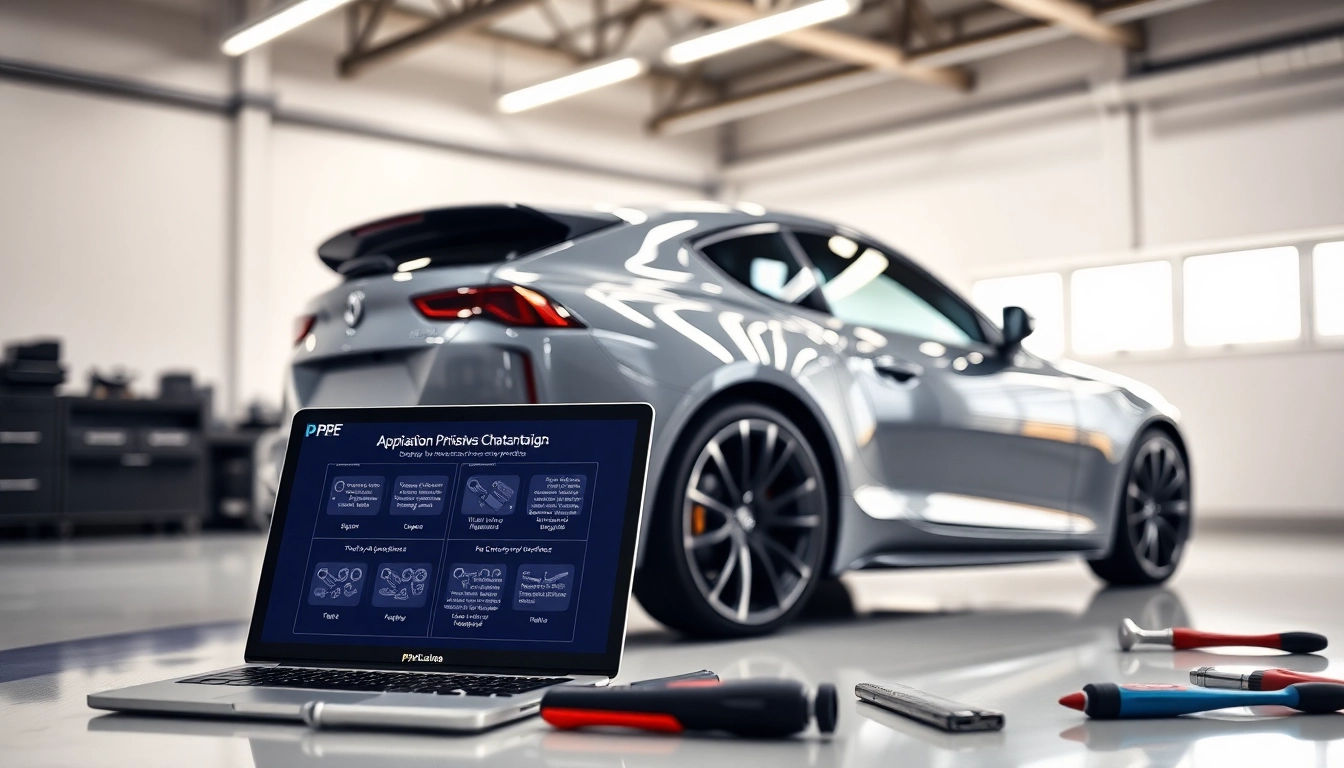
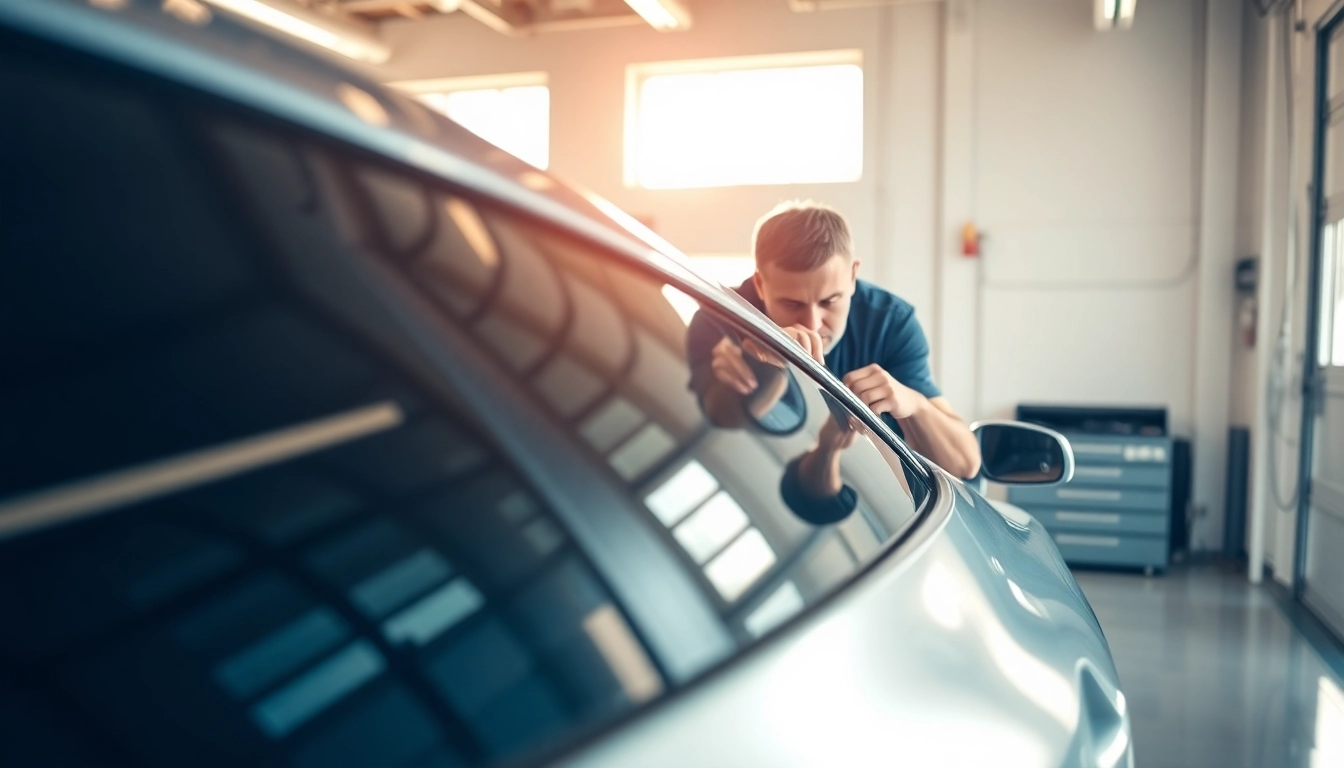
The application process for auto window tint typically involves several steps:
- Cleaning the Windows: The first step is cleaning the windows thoroughly to remove dirt, dust, and any grime.
- Measuring and Cutting the Film: Precise measurements of the windows are taken, and the film is cut to the required size.
- Application: The film is carefully applied to the window using a squeegee to eliminate bubbles and ensure a tight seal.
- Trimming Edges: Edges are trimmed to leave a clean, finished look.
- Drying Period: After installation, a drying period is necessary before rolling down the windows to allow the adhesive to set properly.
Common Mistakes to Avoid
While installing window tint might seem straightforward, several common mistakes can affect performance:
- Poor Cleaning: Inadequate cleaning may lead to bubbles or debris trapped under the film.
- Using Low-Quality Film: Cheap films may fade or peel prematurely, leading to extra costs down the line.
- Ignoring Legal Standards: Not adhering to state laws can result in fines or requirement to remove the tint.
- Attempting DIY Installation: While some videos and tutorials may seem instructional, improper installation can lead to visible defects.
Aftercare Tips for Your Tint
Proper care after installation can extend the lifespan of your window tint:
- Avoid Rolling Down Windows: Try not to roll down windows for at least 48 hours post-installation to ensure proper adherence.
- Use Recommended Cleaners: Utilize only recommended cleaners and soft cloths to prevent scratching the film.
- Monitor for Bubbles: Some bubbles may appear initially; consult your installer if they persist beyond a few days.
Performance Metrics of Auto Window Tint
How to Measure Tint Effectiveness
The effectiveness of window tint can be measured through its heat rejection and UV blocking abilities. Look for the Total Solar Energy Rejected (TSER) rating, which indicates how effectively the film blocks heat. A higher TSER percentage generally means better performance. Additionally, many films indicate a percentage for UV rejection—ideally targeting above 99% for maximum protection.
Comparing UV Protection Levels
UV protection levels vary across different types of window tints. Traditional dyed films provide minimal UV protection, while ceramic and metalized films deliver superior shielding. When choosing a film, consider both the VLT and the UV block percentage to find the right balance for your needs.
Long-Term Cost Savings on Energy
Investing in quality auto window tint can yield long-term savings on energy. By reducing the need for excessive air conditioning and protecting interiors from sun damage, vehicle owners often witness a decrease in energy-related expenses. Additionally, window tint can expedite the depreciation process of vehicle interiors, hence maintaining resale value.
FAQs About Auto Window Tint Near Me
What is the lifespan of auto window tint?
Auto window tint typically lasts between 5 to 10 years, depending on the quality of the film and how well it is maintained.
Can I install window tint myself?
While DIY installation is possible, professional installation is recommended for ensuring a seamless finish and adherence to local regulations.
Are there different percentages of tint available?
Yes, window tint comes in various VLT percentages, ranging from very light to nearly opaque, allowing for customizable levels of privacy and visibility.
How do I care for tinted windows?
To care for tinted windows, avoid rolling them down for a few days after application, use gentle cleaners, and avoid abrasive materials.
Is window tinting legal in my state?
Window tinting laws vary by state. Check local regulations regarding VLT percentages and reflectivity to ensure compliance.